A Close Call on the A28 Near Zwolle: When a Car Meets a Truck
In the intricate network of Dutch highways, incidents can unfortunately occur at any moment, reminding us of the constant need for vigilance on the roads. A recent collision on the A28 near Zwolle, which saw a passenger car severely damaged after an impact with a truck, highlights the potential dangers and the importance of prompt emergency response. While the event unfolded on a Monday evening, its implications for road safety and traffic awareness resonate continuously, making it a relevant topic for those searching for "Ongeval A28 Zwolle Vandaag" or recent traffic updates in the region.
The incident, which took place around 21:45 on the A28's southbound lanes towards Amersfoort, just before the iconic IJsselbrug, underscored the inherent risks when heavy goods vehicles and passenger cars share the same stretch of asphalt. Despite the dramatic scene of a severely compromised vehicle, a silver lining emerged: no serious injuries required hospitalization, a testament to modern vehicle safety features and potentially a stroke of luck.
The Incident Details: Car Severely Damaged, Miraculously Minor Injuries
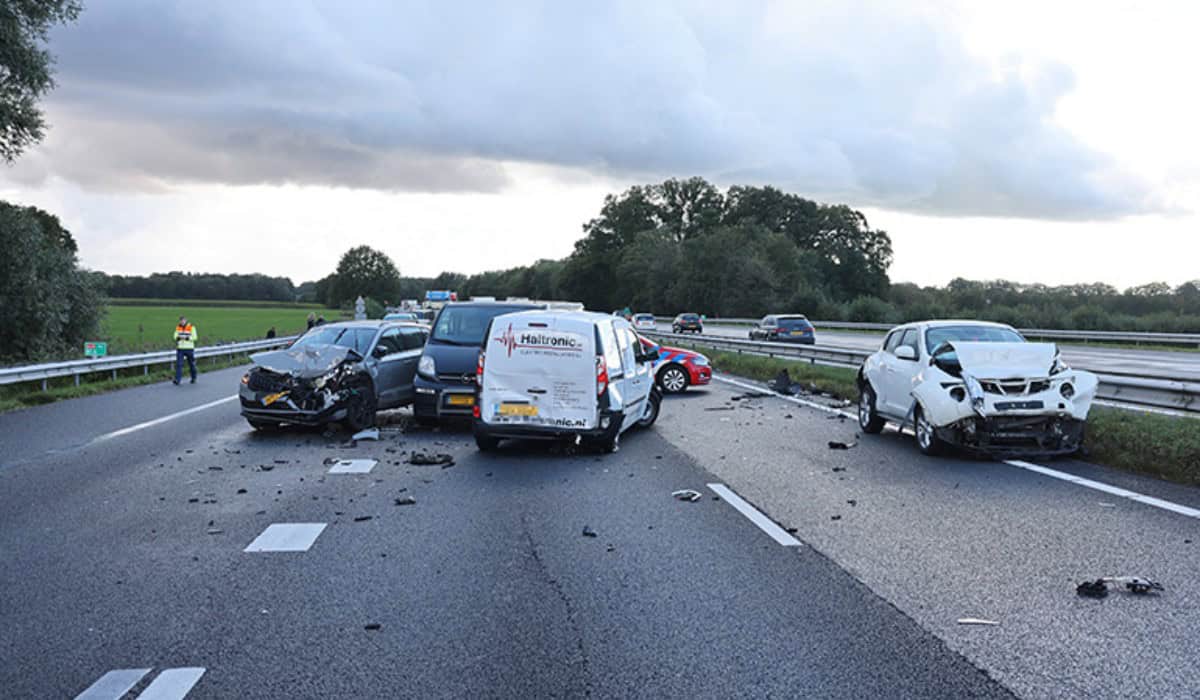
The late hours of Monday evening brought an unexpected jolt to commuters on the A28 near Zwolle. A routine drive transformed into a collision scene when a passenger car and a truck made contact. The impact was significant enough to cause the car to spin violently before coming to a dramatic halt against the guardrail, its structural integrity severely compromised. The force of the crash triggered all of the vehicle's airbags, a critical safety mechanism designed to protect occupants in such high-stress situations. The visual evidence of the accident, with the car heavily battered, painted a grim picture of the potential outcome.
However, in a fortunate turn of events that often defies the visual severity of such crashes, emergency services reported positive news. Ambulance personnel swiftly attended to those involved at the scene, conducting thorough checks and providing immediate care. Crucially, despite the vehicle's extensive damage, none of the occupants required transportation to a hospital for further treatment. This outcome is often attributed to a combination of factors, including the precise nature of the impact, the effectiveness of modern vehicle safety systems like airbags and crumple zones, and the immediate medical assessment. For more details on this aspect, you can read our related article: No Hospitalization After A28 Zwolle Car-Truck Crash.
Following the initial response and assessment, the priority shifted to clearing the accident scene and restoring traffic flow. The damaged car was promptly towed away, and the temporarily closed lanes were subsequently reopened to traffic, minimizing prolonged disruption to the busy A28 corridor.
Investigating the Unknown: Understanding Causes of Collisions Between Cars and Trucks
As is often the case with many road accidents, the precise cause of the A28 collision between the car and the truck remains unknown at this time. Investigators will meticulously examine the scene, gather witness statements, and analyze any available data to piece together the sequence of events that led to the impact. However, the incident serves as a stark reminder of the common factors that can contribute to collisions involving heavy goods vehicles.
Trucks, by their very nature, present unique challenges on the road. Their size, weight, and operational characteristics differ significantly from passenger cars, leading to potential hazards:
- Blind Spots (No-Zones): Trucks have vast blind spots on all four sides. If a car drives in these zones, the truck driver may not see it, leading to unintended maneuvers.
- Longer Stopping Distances: Due to their mass, trucks require significantly longer distances to stop, especially in wet conditions or when heavily loaded.
- Wide Turns: Trucks need ample space to make turns, often swinging wide to the left before turning right, or vice-versa. Cars attempting to pass on the inside of a turning truck are at high risk.
- Speed Differentials: While trucks are often speed-limited, differences in acceleration and braking capabilities between cars and trucks can lead to risky situations, particularly during lane changes or in heavy traffic.
- Driver Fatigue: Long-haul trucking can lead to driver fatigue, despite strict regulations on rest periods.
- Distracted Driving: Both car and truck drivers can be susceptible to distractions, which can have more severe consequences when large vehicles are involved.
- Weather Conditions: Poor visibility, wet roads, or strong winds can exacerbate all these factors, increasing the likelihood of an accident.
Understanding these common causes is crucial not only for investigators but also for all road users to exercise greater caution. The ongoing investigation will aim to clarify the specific circumstances of this particular "Ongeval A28 Zwolle Vandaag" incident. For more insight into the investigative process, you might find our article on the topic informative: Unknown Cause: A28 Zwolle Car-Truck Accident Near IJsselbrug.
Emergency Response and Road Management on Dutch Highways
The efficiency of emergency services and traffic management is paramount in mitigating the impact of road incidents, particularly on vital arteries like the A28. In the wake of the collision near Zwolle, the coordinated efforts of various agencies ensured a swift and effective response.
- Ambulance Services: Their immediate arrival to assess and attend to any injured parties is always the first priority. In this case, their assessment thankfully concluded that no hospitalization was required.
- Police: Law enforcement officers secure the scene, direct traffic, gather evidence for their investigation, and work with other services to ensure safety and restore normalcy.
- Towing and Recovery Services: Specialist vehicles are essential for removing damaged vehicles, especially heavy trucks, from the roadway to minimize disruption.
- Rijkswaterstaat (Dutch Directorate-General for Public Works and Water Management): This agency is responsible for managing the flow of traffic on national roads. They implement temporary lane closures, set up detours if necessary, and communicate traffic updates to the public via ANWB and other channels.
While the A28 incident did not involve hazardous materials or prolonged closures comparable to, for example, the tank truck accident on the A58 near Goes mentioned in broader traffic reports, it still required a significant coordinated effort. The ability to quickly assess, respond, and clear the scene is a hallmark of effective road management, allowing critical infrastructure to remain operational with minimal delay.
Prioritizing Safety: Essential Tips for Driving Near Heavy Goods Vehicles
Given the frequent occurrences of incidents involving trucks, mastering the art of safe driving around these giants of the road is not just good practice, but a necessity. Here are some actionable tips to enhance your safety:
- Stay Out of Blind Spots: If you can't see the truck driver in their side mirrors, they likely can't see you. These "no-zones" extend several car lengths in front of the truck, behind it, and to the sides. Pass quickly and efficiently, then move away.
- Maintain Safe Following Distance: Trucks require significantly more distance to stop. Give them ample room, especially in adverse weather. A good rule of thumb is to allow at least 20-25 car lengths, or enough space that you can see the truck's entire cab in your rearview mirror.
- Signal Intentions Early: When changing lanes or exiting, signal well in advance to give truck drivers, who need more time to react, sufficient warning.
- Avoid Sudden Braking: Never cut in front of a truck and then hit your brakes. Trucks cannot slow down as quickly as cars.
- Be Aware of Wide Turns: Always assume a truck making a turn will need more space than appears necessary. Never try to squeeze past a truck on the side it is turning towards.
- Anticipate Wind Effects: The sheer size of trucks can create significant wind turbulence, especially when passing or being passed. Be prepared for a sudden gust of wind that can push your car.
- Stay Focused: Distracted driving is dangerous for everyone, but particularly so near large vehicles. Keep your eyes on the road and your hands on the wheel.
Adhering to these guidelines can significantly reduce your risk of being involved in an accident, contributing to a safer environment for everyone on the road, including those driving large vehicles. The incident on the A28 Zwolle, while not leading to severe injuries, is a powerful reminder that vigilance is always the best defense.
Conclusion
The "Ongeval A28 Zwolle Vandaag" highlights the daily realities of highway travel and the potential for serious incidents, even on well-maintained roads. While the collision resulted in a severely damaged car, the outcome of no serious injuries requiring hospitalization is a testament to both vehicle safety advancements and the swift, professional response of emergency services. This incident serves as a crucial reminder for all road users to remain vigilant, understand the unique challenges posed by sharing the road with heavy goods vehicles, and adhere strictly to road safety guidelines. By practicing defensive driving and staying informed, we can collectively strive to make our journeys safer and minimize the impact of such events on our communities and daily lives.